สมาชิกเท่านั้นถึงจะมองเห็นเนื้อหาอย่างสมบูรณ์
คุณต้อง เข้าสู่ระบบ เพื่อดาวน์โหลดไฟล์นี้ หากยังไม่มีบัญชี กรุณา สมัครสมาชิก  
×
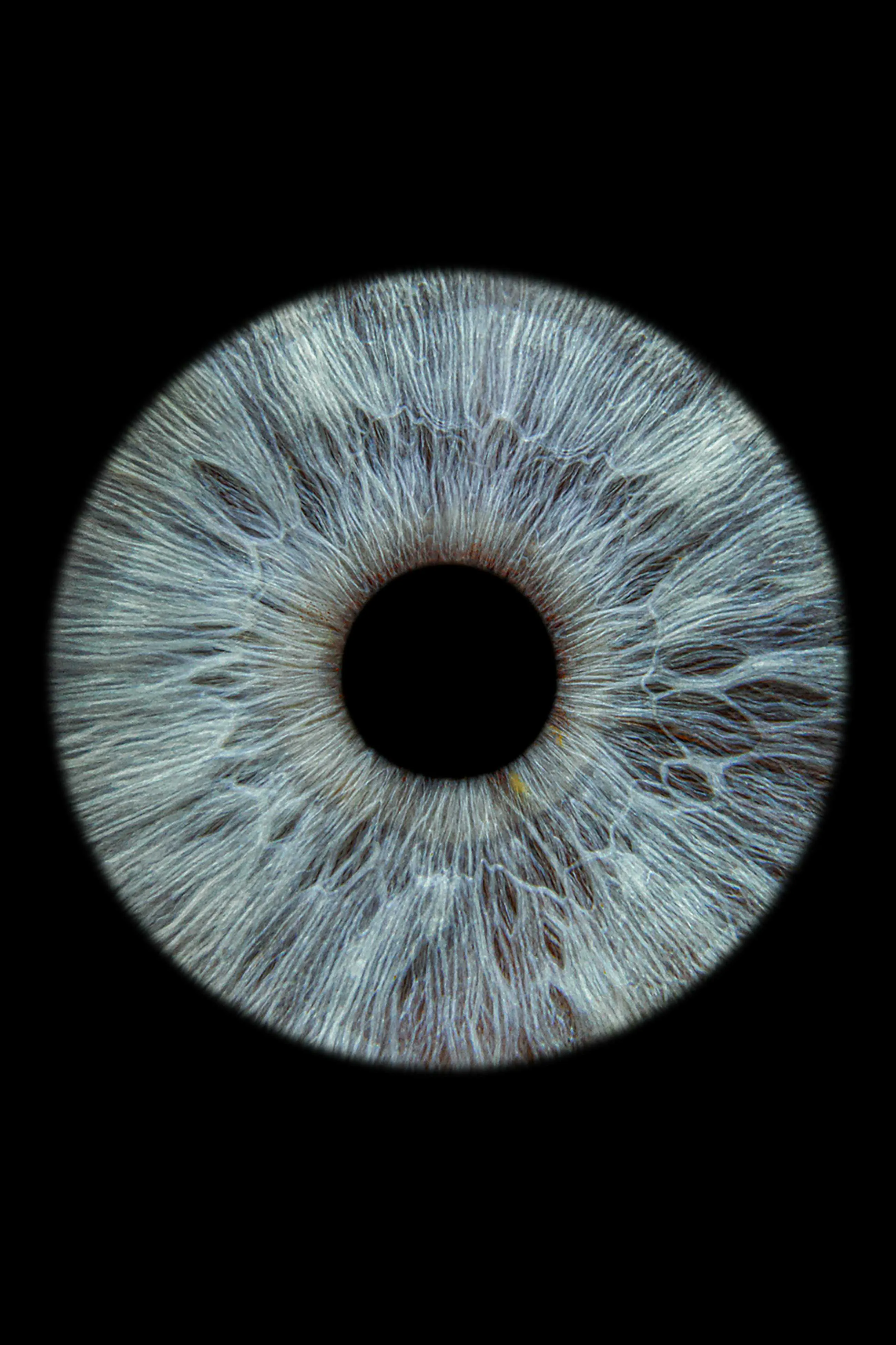 Have you started noticing that your vision is not as clear as it used to be? Maybe reading small text has become harder, colors look slightly dull, or bright headlights seem much more uncomfortable at night. These changes can have several causes, and one of them is a cataract.
A cataract happens when the natural lens inside the eye becomes cloudy. It usually develops gradually, so the changes may be easy to overlook at first. Over time, though, a cataract can interfere with reading, driving, working, or other everyday activities.
The good news is that cataracts can be treated. Understanding what causes them and recognizing the early signs can make it easier to know when it is time to have your eyes checked.
What Is a Cataract?Inside each eye is a clear natural lens that helps focus light onto the retina. When the lens is clear, light can pass through it properly and images appear sharp.
A cataract forms when the lens becomes cloudy. This happens as proteins and fibers within the lens change and clump together. The cloudiness can become more noticeable over time, making vision appear blurry, hazy, or less colorful.
You can think of it as looking through a window that is slowly becoming foggy. At first, the difference may be barely noticeable. As the cloudiness increases, seeing clearly becomes more difficult.
Cataracts may develop in one eye or both eyes. They do not spread from one eye to the other, although cataracts can occur independently in both eyes.
What Are the Early Signs of Cataracts?One of the tricky things about cataracts is that they may not cause obvious symptoms at the beginning. A person can have an early cataract without realizing it.
As the cataract develops, changes in vision may become more noticeable. Common symptoms include:
- Cloudy or blurry vision
- Difficulty seeing clearly at night
- Increased sensitivity to bright light
- Glare from headlights or sunlight
- Halos around lights
- Colors appearing faded or yellowish
- Needing brighter lighting to read
- More frequent changes to glasses or contact lens prescriptions
- Double vision in one eye
Some people notice that their vision seems worse when driving at night. Others may find themselves turning up the lights when reading or struggling to recognize details from a distance.
These symptoms do not necessarily mean you have a cataract. Other eye conditions can cause similar problems, which is why an eye examination is important.
Why Do Cataracts Develop?Aging is the most common reason cataracts develop. As the eyes get older, changes naturally occur in the proteins inside the lens. These changes can cause the lens to become cloudy.
Age is not the only factor associated with cataracts. The risk may also be higher for people who have diabetes, smoke, have a family history of cataracts, have experienced an eye injury, or have previously undergone certain types of eye surgery.
Long-term use of steroid medications and significant exposure to sunlight can also increase the likelihood of developing cataracts. Excessive alcohol consumption has also been identified as a risk factor.
This means that cataracts are not simply a problem that affects older people. They can develop earlier in some individuals depending on their health, lifestyle, medications, and other circumstances.
Are There Different Types of Cataracts?Yes. Cataracts can be classified based on the part of the lens where the cloudiness develops.
- A nuclear cataract affects the central part of the lens and is commonly associated with aging.
- A cortical cataract develops in the outer area of the lens. It can create glare or changes in the way light enters the eye.
- A posterior subcapsular cataract forms toward the back of the lens. It may cause noticeable problems with reading or exposure to bright light.
Cataracts can also develop after an eye injury or as a result of certain medical conditions. The symptoms and rate of progression can vary from person to person.
How Is a Cataract Diagnosed?If your vision has changed, an eye doctor can check whether a cataract is responsible.
A comprehensive eye examination may include a visual acuity test, which measures how clearly you can see. Your doctor may also use a slit lamp to examine the structures of your eye in detail. Eye drops may be used to dilate your pupils so the doctor can examine the lens and the back of the eye. An eye pressure test may also be performed.
These examinations are useful because vision changes can have many possible causes. A proper assessment allows the eye doctor to determine whether a cataract is present and whether another eye condition may also be affecting your vision.
Can Cataracts Be Treated Without Surgery?In the early stages, some people can manage cataract-related vision changes without having surgery immediately.
An updated prescription for glasses or contact lenses may improve vision when the cataract is still mild. Increasing the amount of light when reading, using magnifying lenses, and wearing sunglasses to reduce glare may also make certain activities more comfortable.
These approaches do not remove the cataract itself. They are mainly ways to make everyday activities easier while the cataract is not yet significantly affecting vision.
When a cataract begins to interfere with daily activities, an eye doctor may discuss surgery.
When Is Cataract Surgery Needed?There is no single visual acuity number that means everyone with a cataract needs surgery immediately. The decision is generally related to how much the cataract affects a person's daily life.
For example, surgery may be considered when vision problems make it difficult to read, drive at night, work, watch television, or perform other activities that are important to the individual.
If the cataract is not causing significant problems, an eye doctor may recommend monitoring it with regular examinations instead.
In many cases, there is no need to rush. Your eye doctor can discuss the potential benefits and risks and help determine an appropriate time for treatment.
What Happens During Cataract Surgery?Cataract surgery removes the cloudy natural lens and replaces it with an artificial lens called an intraocular lens (IOL).
The procedure is usually performed on an outpatient basis. The eye is numbed, and the patient generally remains awake. During a common technique, the surgeon uses a small instrument to break the cloudy lens into smaller pieces before removing it. The artificial lens is then positioned inside the eye.
The surgery itself commonly takes about an hour or less, although the exact time can vary. Patients can usually return home after a short recovery period at the medical facility.
Like any surgical procedure, cataract surgery has possible risks. These can include infection, bleeding, changes in eye pressure, retinal detachment, inflammation, or other vision problems. Your ophthalmologist can explain the risks based on your individual eye health.
What Can You Expect After Cataract Surgery?It is normal for vision to be somewhat blurry immediately after surgery while the eye begins to recover. Mild itching, discomfort, or sensitivity to light can also occur during the early recovery period.
Your doctor may prescribe eye drops and recommend using an eye shield or protective glasses. You may also be asked to avoid activities that could put pressure on or expose the eye to injury while it heals.
Vision often begins to improve within a few days, although complete healing can take several weeks. Follow-up appointments allow the doctor to monitor the recovery and check for potential complications.
If you experience sudden vision loss, severe pain, significant redness, flashes of light, or a sudden increase in floaters after surgery, contact your eye doctor promptly.
Is There a Way to Prevent Cataracts?There is no guaranteed way to prevent age-related cataracts. Still, taking care of your eyes may reduce certain risk factors.
Wearing sunglasses that protect against ultraviolet light can reduce excessive sun exposure. Protective eyewear can help prevent eye injuries during activities that involve flying particles or other hazards. Not smoking, maintaining good control of conditions such as diabetes, and following a balanced diet are also part of good eye care.
Regular eye examinations are also useful, particularly as you get older or if you have risk factors for eye disease.
When Should You Have Your Eyes Checked?It is worth making an appointment with an eye care professional whenever you notice a persistent change in your vision.
You may want to arrange an eye examination if you have increasing difficulty reading, seeing at night, recognizing details, or dealing with glare. Frequent changes in your glasses prescription may also be worth discussing with your eye doctor.
Do not assume that every change in vision is caused by a cataract. Sudden vision changes, sudden eye pain, flashes of light, or a sudden headache should receive prompt medical attention because they may indicate a different eye problem.
Final Thoughts on CataractsA cataract develops when the natural lens of the eye becomes cloudy, gradually affecting the way light enters the eye. Aging is the most common cause, but factors such as diabetes, smoking, eye injuries, sunlight exposure, certain medications, and family history can also play a role.
At first, a cataract may not have much impact on everyday life. As it progresses, blurry vision, glare, faded colors, and difficulty seeing at night can become more noticeable. Updated glasses and simple changes to lighting may be useful in the early stages, while cataract surgery may be considered when vision problems begin interfering with daily activities.
Important: This article is for general informational and educational purposes only. It is not intended to diagnose, treat, or replace advice from a medical professional. Vision changes can have many different causes, and the appropriate treatment depends on each person's eye condition and medical history. If you think you may have a cataract or are experiencing changes in your vision, please consult an ophthalmologist or qualified eye care professional for a proper examination and personalized medical advice.
|
|


 ดันกระทู้
 ปักหมุด I
 ปิดกระทู้
 เปิดกระทู้
 การ์ดสีสัน
 เลื่อนกระทู้
 การ์ดล่องหน
![[Chart] BillboardTH • TOP 50 THAI COUNTRY • JUNE 8, 2026 [320 kbps]](data/attachment/block/fa/faa4e461e64b36b81d218731e4f5d2e1.jpg)