สมาชิกเท่านั้นถึงจะมองเห็นเนื้อหาอย่างสมบูรณ์
คุณต้อง เข้าสู่ระบบ เพื่อดาวน์โหลดไฟล์นี้ หากยังไม่มีบัญชี กรุณา สมัครสมาชิก  
×
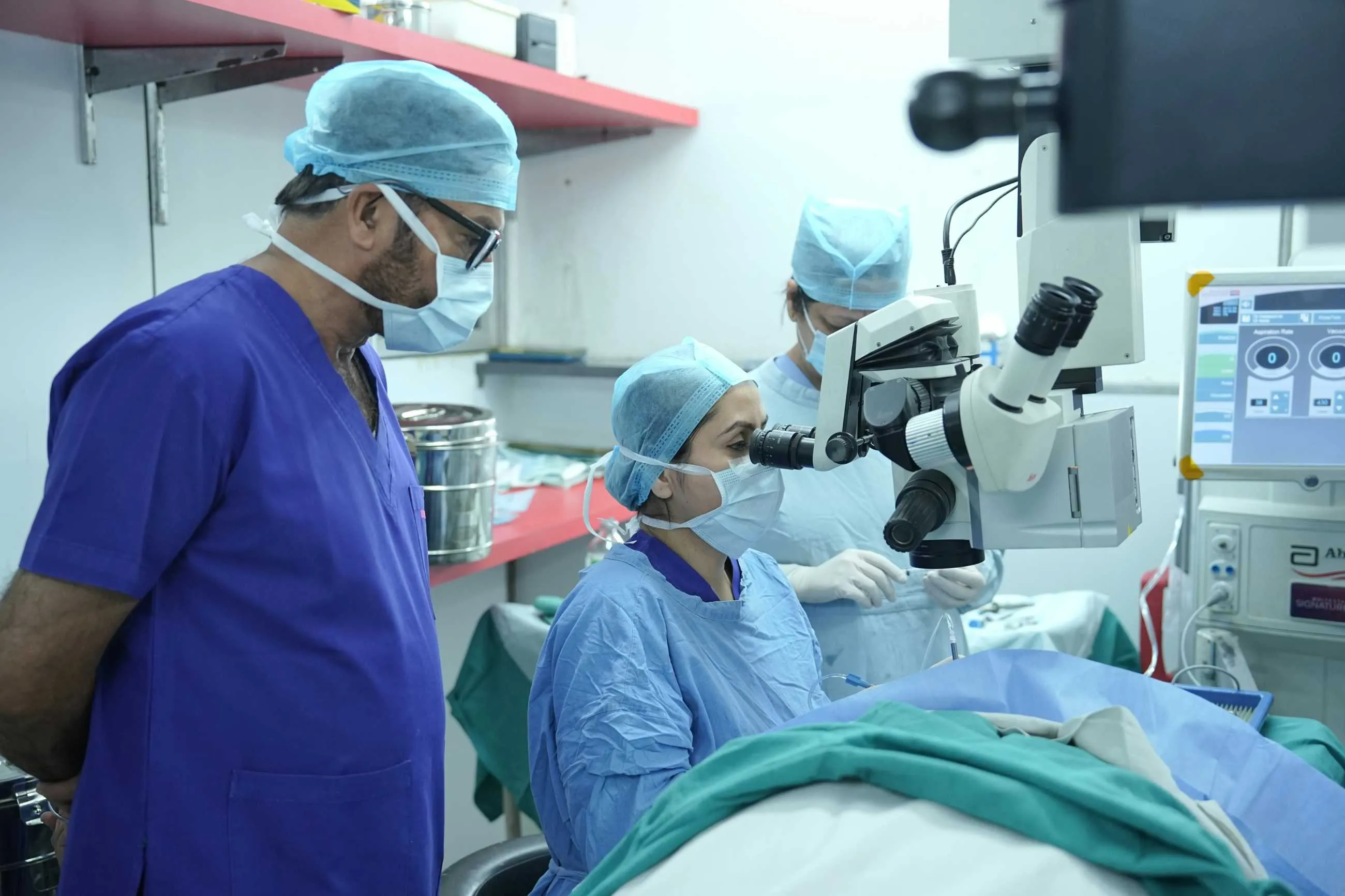 Have you started noticing that your vision is not as clear as it used to be? Perhaps headlights look unusually bright at night, colors seem less vivid, or reading small print has become more difficult. These changes may be caused by a cataract, a common eye condition in which the natural lens inside the eye becomes cloudy.
Cataracts usually develop slowly, which means many people do not notice a major difference at first. As the condition progresses, however, cloudy vision can begin to interfere with everyday activities. When this happens, cataract surgery may be recommended to help improve vision.
If you have been told that you may need cataract surgery, knowing what happens before, during, and after the procedure can help you feel more prepared.
What Exactly Is a Cataract?Inside the eye is a natural lens that helps focus incoming light onto the retina. A healthy lens is transparent, allowing light to pass through clearly. With a cataract, the lens gradually becomes cloudy.
This cloudiness can make the world appear less sharp or slightly hazy. The changes are often gradual, so some people may adapt to them without realizing how much their vision has changed.
Common symptoms of cataracts include blurry vision, difficulty seeing in low light, sensitivity to bright lights, glare, halos around lights, and colors appearing faded. Some people also find that they need to change their glasses prescription more often.
The symptoms can vary depending on the size and location of the cataract, as well as the overall condition of the eye.
When Should You Consider Cataract Surgery?Being diagnosed with a cataract does not necessarily mean you need surgery immediately. If the cataract is still mild and does not interfere with your routine, your eye doctor may recommend monitoring it during regular eye examinations.
The situation is different when cataracts begin affecting your quality of life. You may find yourself avoiding night driving, struggling to read, having difficulty working on a computer, or needing significantly brighter light to perform familiar tasks.
At this point, cataract surgery may become an appropriate treatment option.
The decision is not based solely on how cloudy the lens looks. Your symptoms, visual needs, general eye health, and daily activities are all important factors to consider.
What Happens During Cataract Surgery?The main goal of cataract surgery is straightforward: remove the cloudy natural lens and replace it with an artificial lens.
Before the procedure, your eye will be examined and measured. These measurements help the ophthalmologist select an intraocular lens, commonly referred to as an IOL, with an appropriate power for your eye.
During surgery, the eye is numbed with medication so that you remain comfortable. The surgeon makes a small opening and uses specialized instruments to remove the cloudy lens. A new artificial lens is then placed in the same position.
Modern cataract surgery is generally performed as an outpatient procedure. In many cases, patients can return home on the same day rather than staying overnight in the hospital.
Choosing an Intraocular LensOne of the decisions you may discuss with your ophthalmologist is which type of artificial lens to use.
Monofocal IOLs are designed to provide clear vision at one primary distance. For example, a lens may be selected to focus primarily on distance vision, meaning reading glasses could still be necessary.
There are also lenses designed to provide a wider range of vision, including multifocal and extended-depth-of-focus IOLs. Depending on the individual, these lenses may reduce the need for glasses for certain activities.
However, lens selection should not be based simply on choosing the option with the most features. Different eyes have different needs, and certain eye conditions may influence which lenses are suitable.
Your lifestyle matters too. Someone who enjoys reading, frequently drives at night, or spends many hours working at a computer may have different visual priorities from another patient.
What Is Recovery Like After Cataract Surgery?It is natural to wonder how quickly you will be able to return to your normal routine.
Immediately after cataract surgery, your vision may be blurry or slightly unusual. The eye can also feel mildly irritated or sensitive to light. These symptoms often improve as the eye heals.
Your ophthalmologist may prescribe eye drops to support the healing process and reduce the risk of inflammation or infection. Using them according to the recommended schedule is an important part of recovery.
You should also avoid rubbing or putting unnecessary pressure on the operated eye. Your doctor may temporarily restrict activities such as swimming, heavy lifting, or strenuous exercise.
The exact recovery instructions can vary, so it is important to follow the advice provided by your surgical team rather than comparing your recovery directly with someone else’s.
How Long Does It Take for Vision to Become Clear?Many patients notice that their vision begins improving within a short period after surgery. However, recovery is different for every person.
Some people experience noticeable improvement within the first few days, while the eye may continue settling over the following weeks. The final result also depends on whether other eye conditions are present.
For example, cataract surgery removes the cloudy lens, but it cannot correct vision loss caused by conditions affecting other parts of the eye. This is why a complete eye examination before surgery is so important.
Follow-up appointments allow your ophthalmologist to check the healing process and determine whether your vision is progressing as expected.
Can Cataracts Come Back After Surgery?A common question is whether cataracts can return after they have been removed.
A cataract itself does not grow back because the cloudy natural lens has been replaced with an artificial lens. However, some patients may develop a condition called posterior capsule opacification, or PCO, at a later stage.
PCO occurs when the membrane surrounding the artificial lens becomes cloudy. It can cause vision to become blurry again and may feel similar to the original cataract symptoms.
If PCO develops and affects vision, it can generally be treated with a YAG laser procedure. The treatment is different from the original cataract operation and does not involve removing the artificial lens.
What Are the Possible Risks?Cataract surgery is a commonly performed procedure, but as with any surgery, there are potential risks.
Possible complications include infection, inflammation, changes in eye pressure, retinal problems, bleeding, or issues involving the artificial lens. Some patients may also notice glare, halos, or other visual disturbances after surgery.
The likelihood and significance of these problems can vary from patient to patient. Your ophthalmologist should explain the potential risks and benefits based on your individual eye condition before treatment.
Seeking medical attention promptly is particularly important if you experience severe eye pain, rapidly worsening vision, increasing redness, unusual discharge, flashes of light, or a sudden increase in floaters after surgery.
How Can You Prepare for Cataract Surgery?Good preparation starts with understanding what you want from your vision after surgery.
During your consultation, tell your ophthalmologist about the activities that are important to you. This could include reading, driving, using a computer, playing sports, or other hobbies.
Your doctor will also evaluate the health of your eyes and perform measurements needed to select the appropriate IOL. If you have another eye condition, this may also be considered when discussing the expected outcome.
It is worth asking questions before the procedure rather than waiting until the day of surgery. Understanding the recovery period, eye-drop schedule, activity restrictions, and follow-up plan can make the experience easier to manage.
When Should You See an Eye Specialist?Changes in vision should not automatically be assumed to be caused by cataracts. Blurred vision can have many possible causes, and some conditions require different treatments.
If you notice persistent cloudy vision, glare, difficulty seeing at night, or changes that interfere with your normal activities, arrange an eye examination.
An ophthalmologist can determine whether a cataract is responsible for your symptoms and assess whether cataract surgery may be appropriate.
Final ThoughtsLiving with cataracts can be frustrating because vision may gradually become less clear without an obvious change from one day to the next. Fortunately, cataract surgery can replace the cloudy natural lens with an artificial one and may restore clearer vision for people whose cataracts are affecting their everyday lives.
The experience does not end when the operation is complete. Choosing an appropriate intraocular lens, following post-operative instructions, attending follow-up appointments, and reporting unusual symptoms all play a role in the overall treatment process.
If cataracts are beginning to interfere with activities you enjoy, an eye examination can help you understand what is happening and whether treatment is necessary. Your ophthalmologist can then discuss the available options based on your individual vision and eye health.
|


 ดันกระทู้
 ปักหมุด I
 ปิดกระทู้
 เปิดกระทู้
 การ์ดสีสัน
 เลื่อนกระทู้
 การ์ดล่องหน
![[Chart] BillboardTH • TOP 50 THAI COUNTRY • JUNE 8, 2026 [320 kbps]](data/attachment/block/fa/faa4e461e64b36b81d218731e4f5d2e1.jpg)